Water Heater Maintenance in Jacksonville
A little maintenance goes a long way. Sediment, a used-up anode rod, and a stuck relief valve cause many of the early failures plumbers see. An annual check catches them while they’re still cheap to fix.
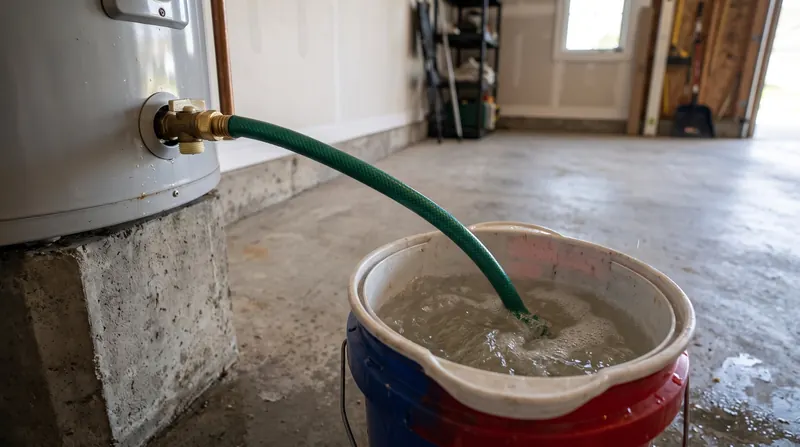
What a maintenance visit covers
- Flushing sediment from the bottom of the tank
- Checking the anode rod and replacing it if it’s worn away
- Testing the temperature and pressure relief valve
- Checking the thermostat setting (around 120°F suits most homes)
- Inspecting gas venting, burner, and flame on gas units
- Looking for early signs of leaks or corrosion at fittings
Why the anode rod matters
The anode rod is a metal rod inside the tank that corrodes on purpose, so the tank wall doesn’t. Once it’s gone, the tank itself starts to rust. Replacing a worn rod is inexpensive compared with replacing the heater, and it can add years to a tank’s life.
How often to flush
Once a year is a good rule for most homes. Homes on well water, or with noticeably hard water, may benefit from flushing more often. If an older tank has never been flushed, a plumber may advise against it, since disturbing hardened sediment can cause a drain valve to leak.
Need hot water back?
Call for a free estimate. No obligation, and you’ll talk to someone local.
Water Heater Maintenance: common questions
Can I flush my water heater myself?
Many homeowners do. Turn off the power or gas, connect a hose to the drain valve, and drain until the water runs clear. If the drain valve is old plastic or the tank has never been flushed, it’s safer to have a plumber do it.
What temperature should my water heater be set to?
Around 120°F works for most households. It reduces the risk of scalding and saves energy.
Does a tankless water heater need maintenance?
Yes. Most need descaling about once a year. See our tankless water heater page for details.
Serving Jacksonville and nearby towns
Water Heater Maintenance is available throughout Jacksonville and the surrounding area. Find your town for local details.